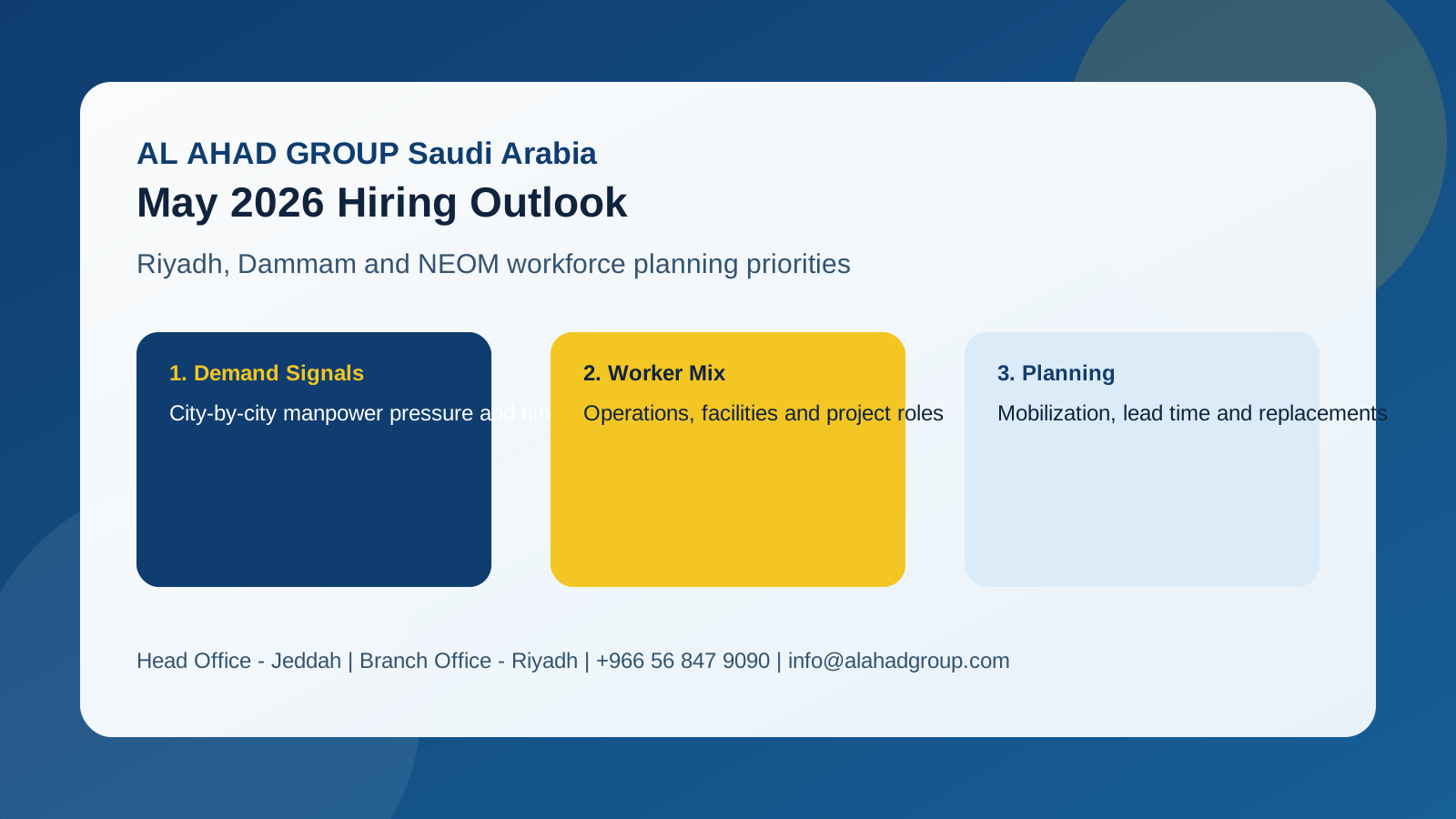
May 2026 Hiring Outlook: workforce requirement planning for Riyadh, Dammam, and NEOM Employers
Employers often start with a general search like manpower supply in Saudi Arabia, but the real decision usually shifts quickly toward the city where the workforce will actually be deployed.
This weekly outlook compares the hiring pressure behind Riyadh, Dammam, and NEOM and explains why city-based planning creates a more reliable manpower plan than a broad national brief on its own.
City-level workforce requirement planning improves hiring quality because it ties worker categories, urgency, and mobilization decisions to the operating environment where the workforce will actually be used.
Benefits for Employers
Riyadh demand often reflects commercial growth, facility scale, and project movement at the same time. That creates a broader hiring mix across support staff, skilled manpower, and supervisory categories.
When Riyadh employers prepare the requirement around real operating pressure instead of generic headcount, the shortlist process becomes more precise and easier to approve internally.
- Commercial and mixed-use facilities create recurring manpower demand.
- Project timelines can increase pressure on skilled trade and support roles together.
- Role separation is critical when scaling several teams at once.
Why Dammam and the Eastern Region need different manpower logic
Dammam hiring often intersects with logistics, warehousing, industrial support, and skilled manpower. That changes the workforce mix compared with more service-led city demand.
Warehouse workers, maintenance teams, and skilled trades often need tighter category planning because the work environment directly affects productivity and turnover risk.
- Logistics tempo changes shift structure and headcount planning.
- Industrial and skilled trade roles need more precise category control.
- The employer brief should reflect the site environment, not just the job title.
Service Areas
NEOM demand usually carries more project complexity, broader role mixes, and higher planning sensitivity than a normal single-site hiring requirement.
That is why NEOM-related content should help employers think through scale, role fit, supervision, and workforce continuity, not just promise quick supply.
- Project mobilization usually involves several categories at once.
- Engineering, technical, and support roles often overlap.
- Longer planning horizons make early workforce mapping more important.
Related pages
Frequently Asked Questions
Why not rely on one generic Saudi manpower page?
Because city intent is often the real employer demand behind the employer search, and city-specific planning improves relevance and conversion quality.
Can one employer use several city pages at once?
Yes. Multi-city employers often benefit from separate city planning even when one supplier handles the wider recruitment program.
What does better city planning improve first?
It usually improves role mix clarity, shortlist quality, and the speed of internal employer approvals.